Capability 01
Turn intent into structured work.
QuarterMaster takes operator intent and turns it into assignable, trackable work with clear owners, expected outcomes, and return paths.

Running agent work should not mean supervising every thread, answering every permission request, and checking results before your morning coffee. QuarterMaster gives operators bounded, governable work with clear ownership, proof-backed closure, and intervention only when it actually matters.
Most agent systems can generate activity. Too many of them also create a new supervision job around that activity. Agents that require constant supervision are overhead, not leverage.
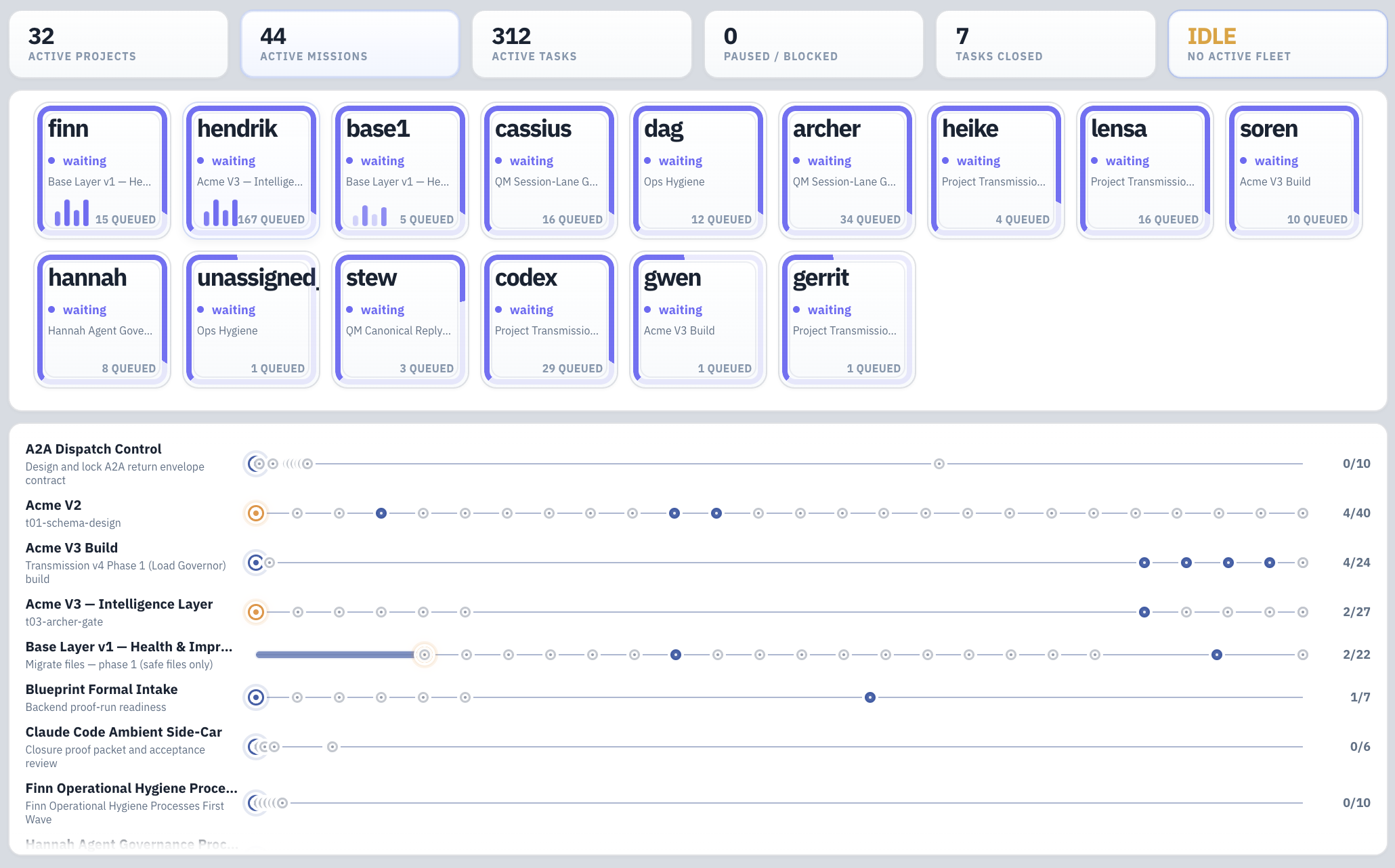
QuarterMaster takes operator intent and turns it into assignable, trackable work with clear owners, expected outcomes, and return paths.
Work moves through agents, people, and systems. QuarterMaster keeps responsibility visible as work changes hands so it does not disappear into idle queues or ambiguous ownership.
Claimed progress, observed state, attached proof, and actual outcomes stay aligned. When they drift apart, trust disappears fast.
In a legal team, reconciliation is the difference between work being completed and work being accepted. A contract change can return from review with notes, attachments, and a proposed resolution, but it does not close until the right reviewer has accepted the outcome. QuarterMaster keeps ownership, proof, decision, and outcome aligned so the matter does not look finished before it is actually closed.
In a development team running coding agents, reconciliation is the difference between output that was produced and output that was actually reviewed. An agent can mark work complete, but if the claimed changes do not match the observed state of the codebase, or the evidence of what ran is missing, the operator has no basis for trust. QuarterMaster keeps claimed progress, observed state, attached proof, and human review aligned before the work moves forward.
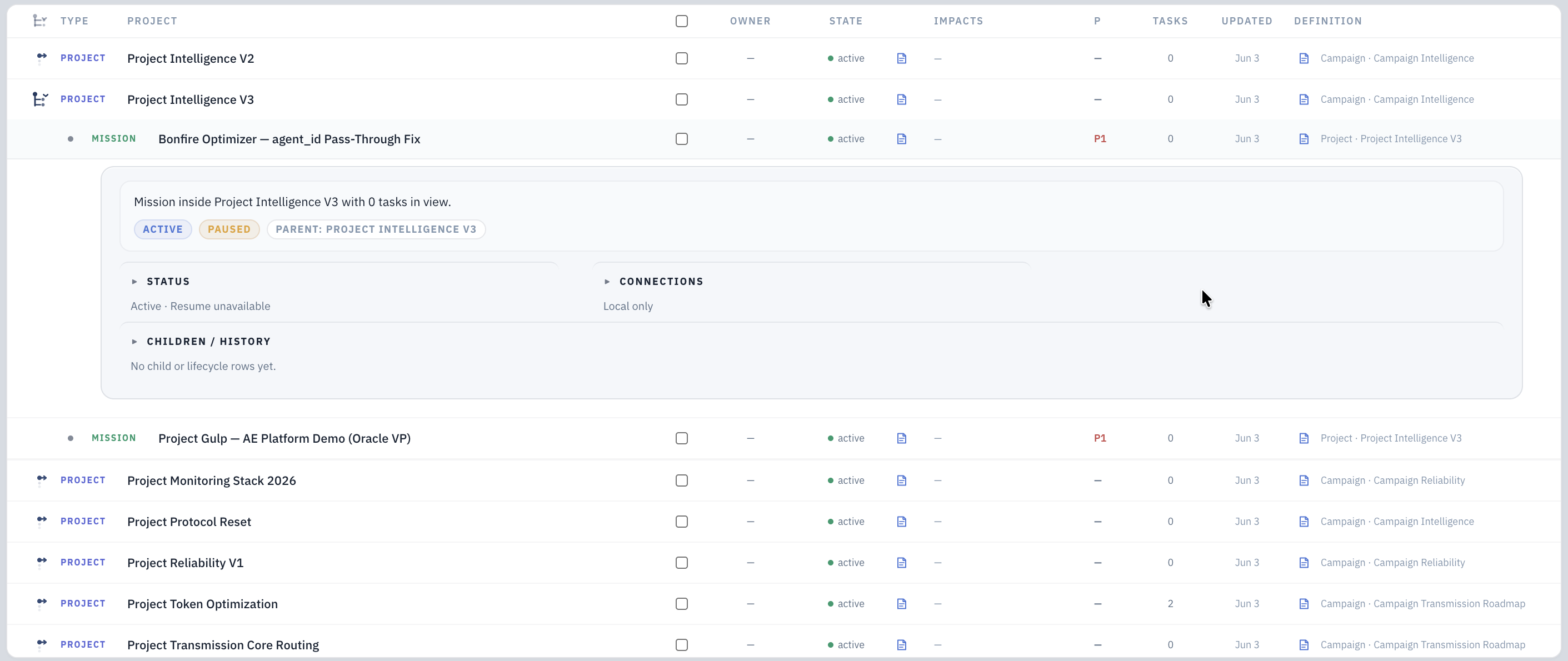
Priority conflicts, duplicate effort, contradictory outputs, and stalled work are surfaced early so the right operator can intervene with context.
Work is not done because it stopped moving. It is done when ownership, authority, proof, and outcome line up.
QuarterMaster began with OpenClaw agents and now extends into ambient Claude Code support, with more environments coming.